The Best Process to Recycle Used Batteries
Of everything in the e-waste stream, used batteries cause the most fires. Tossed in bins or rubbish trucks, lithium-ion cells get punctured or short-circuited and ignite — endangering collection crews, facilities and neighbourhoods. California law is clear: batteries never go in the rubbish or the recycling bin. So what should you do with them? Here’s the best process to recycle used batteries — safely, lawfully, and with every recoverable material returned to the supply chain.
Why batteries can’t go in the bin
Three reasons: fire, toxicity and the law. Damaged lithium-ion batteries are a leading cause of fires in waste collection vehicles and recycling facilities — a single punctured cell can reach hundreds of degrees and ignite surrounding material. Batteries also contain heavy metals: lead, cadmium and mercury, depending on chemistry. And in California, it’s illegal to put batteries (and most electronics) in the rubbish. They must go to a proper collection or recycling programme — which is where we come in.
Battery types we accept
- Lead-acid — car, truck and UPS batteries. Among the most recycled products on earth — the vast majority of a lead-acid battery is recoverable.
- Lithium-ion — phones, laptops, tablets, power tools, e-bikes. High value, high fire risk — handle with care.
- Nickel-cadmium (Ni-Cd) — older power tools and emergency lighting. Cadmium is toxic; these need specialist handling.
- Nickel-metal hydride (NiMH) — hybrids and older rechargeables.
- Alkaline — everyday single-use batteries. Lower hazard, still recyclable.
- Sealed UPS batteries — the backup units behind server rooms and offices.
Lithium-ion batteries need extra care
Lithium-ion cells power modern life — phones, laptops, power tools, e-bikes — but they’re the most fire-prone chemistry in the waste stream. Never puncture, crush or bend them. If a device swells, stop using it immediately and keep it away from flammable materials. Tape the terminals of loose cells, store them somewhere cool and dry, and bring them to us promptly rather than letting them accumulate. Our facility processes lithium-ion batteries under controlled conditions designed specifically to prevent thermal runaway — the chain reaction behind battery fires. It’s specialised work, and it’s exactly what we’re certified to do.
The recycling process, step by step
- Sorting by chemistry. Mixed batteries are a hazard; each chemistry follows its own process.
- Discharge and safe handling. Residual charge is neutralised by trained staff.
- Mechanical processing. Batteries are shredded under controlled conditions — for lithium-ion, in inert atmospheres to prevent ignition.
- Separation. The resulting fractions are separated into metals, plastics and electrolytes.
- Recovery. Lead is smelted and refined; lithium, cobalt and nickel are recovered; steel and plastics re-enter manufacturing.
The process runs under our R2v3 certification — held since 2018 — with ISO 14001 and RIOS environmental controls.
Safe storage and transport
- Tape the terminals of lithium and 9-volt batteries to prevent short circuits.
- Keep them dry and cool — heat accelerates failure.
- Don’t stockpile damaged cells. Swollen or punctured batteries should be isolated in a non-flammable container and collected promptly.
- Avoid mixing chemistries in a single container where you can.
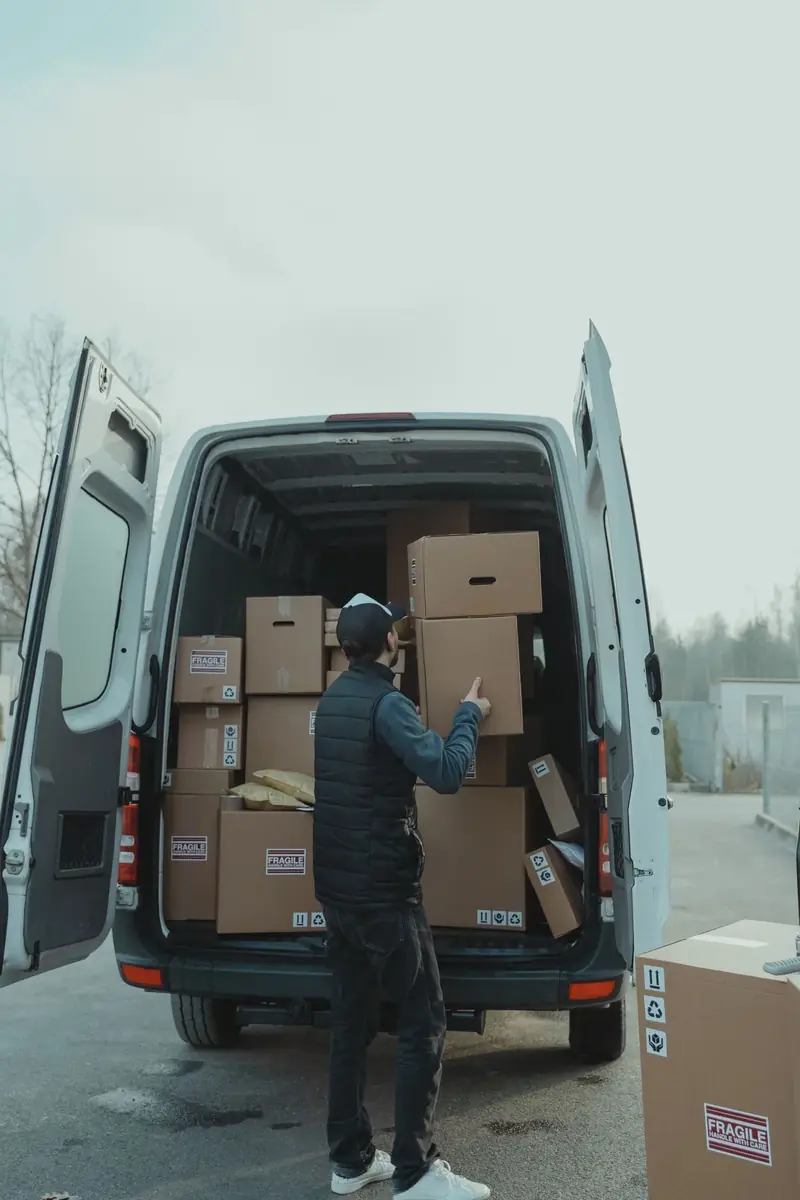
Our collection crews are trained in battery handling, and our DTSC registration (CAL000422160) covers lawful transport.
UPS batteries: the hidden mountain
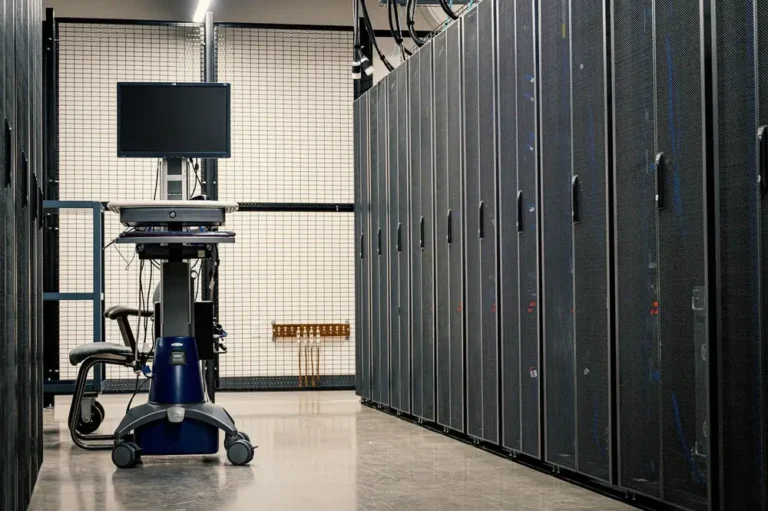
Every server room has them: racks of sealed lead-acid UPS batteries, replaced every few years. A single data-centre refresh can produce hundreds of kilos. We collect them as part of our free business pickup — no minimum quantity — and every one goes to certified lead recovery. If you’re decommissioning a server room, read how DoD standards affect data disposal for the drives alongside them.
What happens to the recovered materials
Recycling batteries isn’t just waste management — it’s mining above ground. Recovered lead goes straight back into new batteries. Lithium, cobalt and nickel re-enter the battery supply chain, reducing the need for virgin mining. Steel casings join general steel recycling; plastics are reprocessed. Every kilo recovered is a kilo that doesn’t come from a mine — and doesn’t sit in a landfill leaching metals into groundwater. That’s the circular economy in action, and it’s why certified recycling matters more for batteries than for almost anything else in the e-waste stream.
Batteries in your office: a quick audit
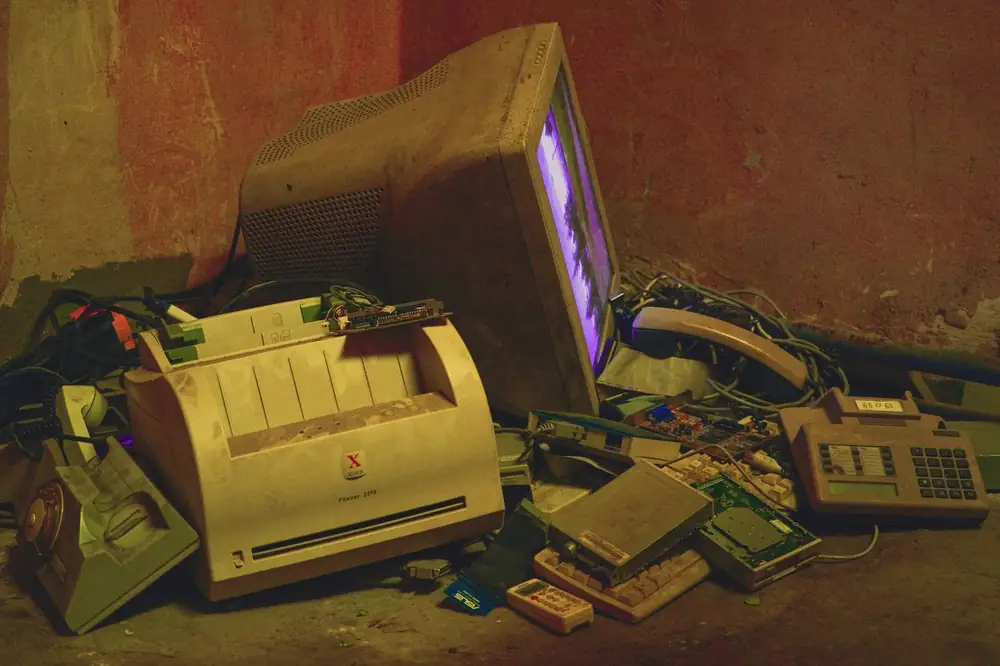
Walk your office and count: UPS units in the server room and under desks, laptop and phone batteries in the IT cupboard, power-tool batteries in maintenance, emergency-lighting cells, smoke-detector 9-volts, even the box of “dead” AAs in the stationery cupboard. Most businesses are sitting on far more batteries than they realise — and most of them are past their safe storage life. One free pickup clears the lot.
Free business pickup across Southern California
Businesses generate batteries at volume: UPS replacements, tool batteries, laptop fleets. Our free pickup covers the lot — along with the rest of your e-waste. We’ve served San Diego, Los Angeles, Orange County and Long Beach since 1998. Drop off at 13037 Lakeland Rd Ste F, Santa Fe Springs, CA 90670, Monday to Friday, 8am to 4pm — or let us come to you.
Never bin a battery again. Our battery recycling services make it simple: call 323-300-8243 or toll-free 1-833-392-7834, or email info@ewastecleanup.com.