Surveillance Camera Recycling
When a business upgrades its security system, the old cameras usually end up in a box in the back room — forgotten, gathering dust. But those cameras contain circuit boards, glass lenses, infrared LEDs and valuable metals. And critically, many of them contain stored footage. Here’s how EwasteCleanup recycles surveillance cameras responsibly — and protects your privacy in the process.
What’s inside a surveillance camera
Modern cameras pack a surprising amount of technology into a small housing:
- Housings — aluminium or rugged plastics, built to survive weather and vandals.
- Lenses — optical glass, sometimes with motorised zoom assemblies.
- Image sensors — the chip that captures the video.
- Infrared LED arrays — for night vision.
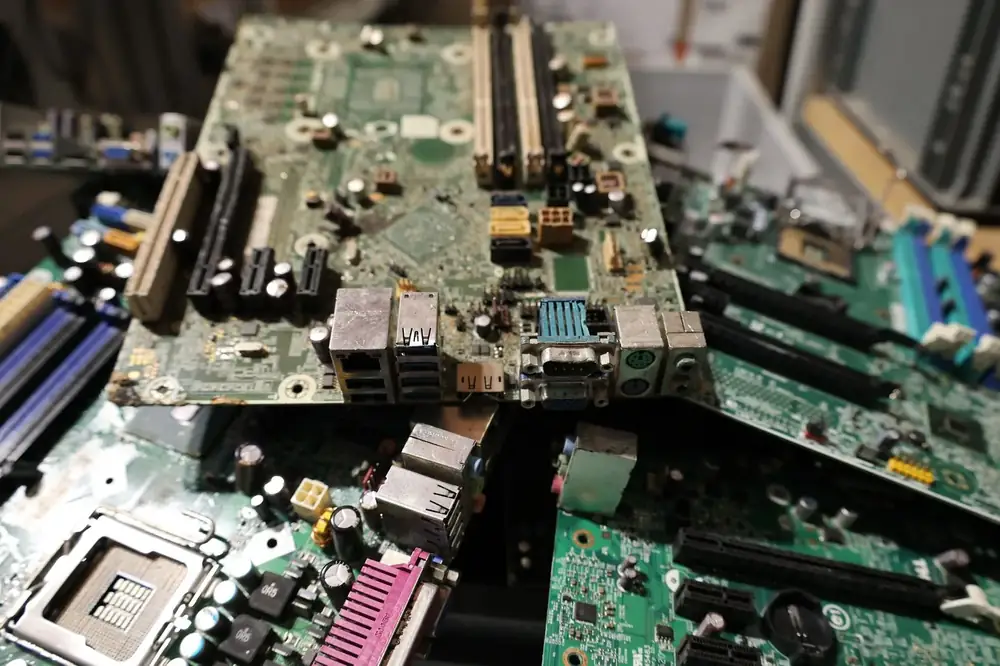
- Circuit boards — control electronics carrying small amounts of precious metals.
- Cables and mounts — copper wiring and steel brackets.
Then there’s the rest of the system: DVRs and NVRs with hard drives full of recordings, monitors and PoE switches. A full system upgrade generates far more e-waste than the cameras alone.
Don’t forget the footage
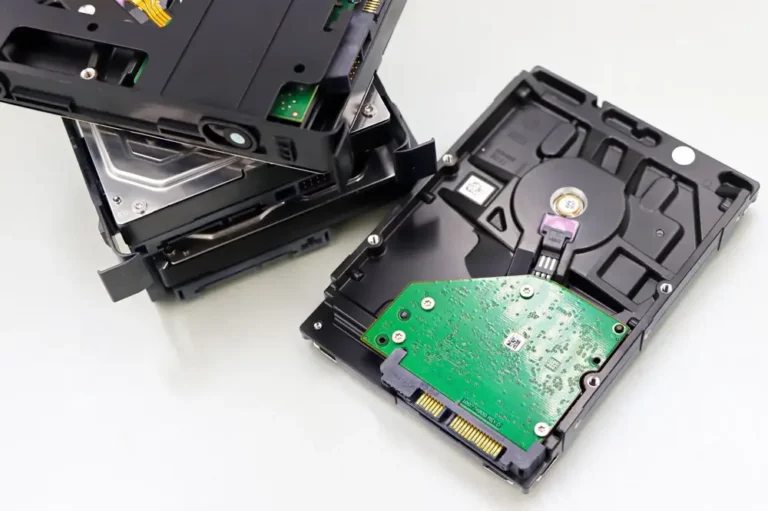
Cameras with onboard SD card storage — and especially DVR/NVR hard drives — hold recordings that may show staff, customers and sensitive areas of your premises. That footage is data, and it deserves the same protection as any other business data. Every storage device we receive is sanitised to NIST SP 800-88 or physically shredded, with certificates of destruction issued. For the full picture, read the privacy issue in technology recycling.
IP cameras vs analogue: what’s different at end of life
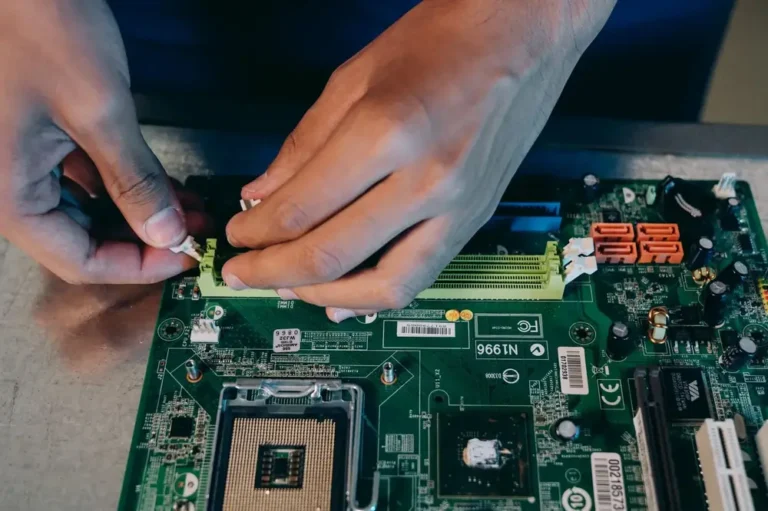
Analogue cameras are relatively simple: a sensor, basic electronics and a coax cable back to the DVR. IP cameras are computers in their own right — with processors, memory, network interfaces and sometimes onboard storage. That complexity means more circuit-board material to recover, and more places for data to hide: configuration files can contain network credentials and Wi-Fi passwords. Our process accounts for both. Analogue systems generate more cabling waste; IP systems generate more board-level material and need more careful data handling. Either way, nothing described here belongs in a skip — and everything in it has recoverable value.
How we recycle cameras
- Intake and sorting. Cameras, housings, mounts and cables are separated by material type.
- Data check. Any storage media — SD cards, DVR drives — is routed to our certified data-destruction process.
- Dismantling. Lenses, boards, LED arrays and housings are separated by hand.
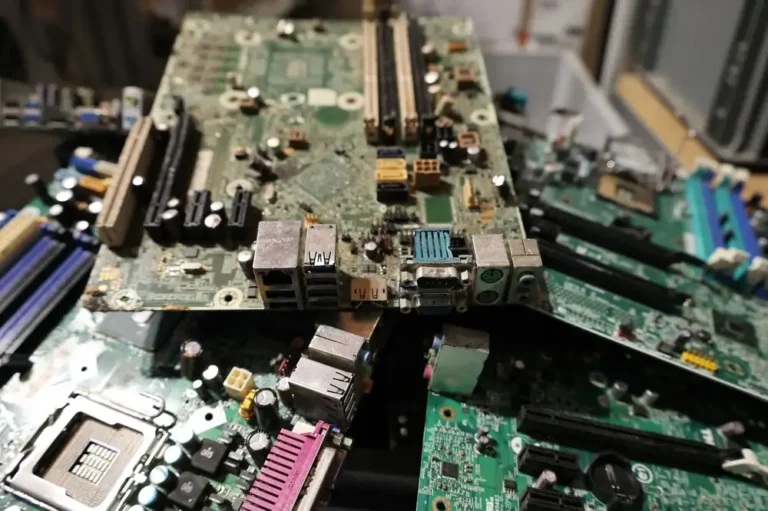
- Material recovery. Aluminium housings, copper wiring, steel mounts and circuit boards each go to their appropriate certified stream, with boards going to smelters for precious-metal recovery.
The whole process runs under our R2v3 certification — held since 2018 — backed by ISO 14001 and RIOS.
DVRs, NVRs and hard drives
The recorder is the heart of the privacy question. A single DVR hard drive can hold months of footage. We treat every drive as sensitive: sanitisation to NIST SP 800-88 or physical shredding, serialised inventory, documented chain of custody, and a certificate of destruction for your records. Monitors and networking gear from the system are recycled through our standard electronics recycling services.
Where the materials go
Aluminium housings are melted down into new extrusions. Copper from cabling and windings is endlessly recyclable without quality loss. Steel mounts join the general steel stream. Circuit boards go to certified smelters where gold, silver and palladium are recovered. Glass lenses are separated for appropriate processing, and plastics are granulated for reprocessing. Landfill is the last resort that never gets used.
Why cameras can’t go in the bin
California’s e-waste rules cover cameras and their components: circuit boards contain lead solder, and DVR drives hold data. Landfilling them risks both pollution and privacy breaches. Our CalRecycle registration (CEWID 116335) and DTSC registration (CAL000422160) authorise us to handle them properly — tracked, documented and certified.
Planning a system upgrade? A checklist
A little planning makes a camera-system refresh painless:
- Inventory everything. Count cameras, recorders, monitors, switches and cabling — you’ll need the list for your asset register anyway.
- Identify storage. Note every device holding recordings: DVR/NVR drives, SD cards, even the installer’s laptop.
- Schedule the swap. Coordinate with your installer so old gear comes down as new gear goes up — no gap in coverage.
- Book one pickup. A single free collection from EwasteCleanup clears every site at once, with documentation for each.
- Keep the certificates. File your certificates of destruction with your compliance records.
Bulk system upgrades for businesses
Security upgrades rarely involve one camera — it’s dozens, across multiple sites, plus recorders, cabling and monitors. That’s exactly the kind of job our free business pickup was built for. We’ve served Southern California since 1998, and our uniformed team will clear every site, document the transfer, and handle the data-bearing components to certified standards. Businesses across Los Angeles, Orange County, San Diego and Long Beach get free collection, Monday to Friday, 8am to 4pm.
Upgrading your security? Our surveillance equipment recycling services take cameras, DVRs, monitors and cabling — with free pickup. Call 323-300-8243 or toll-free 1-833-392-7834.