HIPAA Rules Affected How We Dispose of Data
When HIPAA’s Privacy and Security Rules took full effect, they changed far more than how doctors handle charts — they changed how every hard drive, backup tape and ageing office PC in American healthcare must be retired. Patient data doesn’t stop being protected health information when the device holding it is switched off for the last time. Under HIPAA, disposing of electronic protected health information (ePHI) carelessly is a violation in its own right — and the penalties are real.
Healthcare providers are among EwasteCleanup’s most careful clients, and for good reason. Here’s how HIPAA reshaped data disposal, and how our HIPAA-compliant destruction process keeps your practice safe.
What HIPAA requires for data disposal
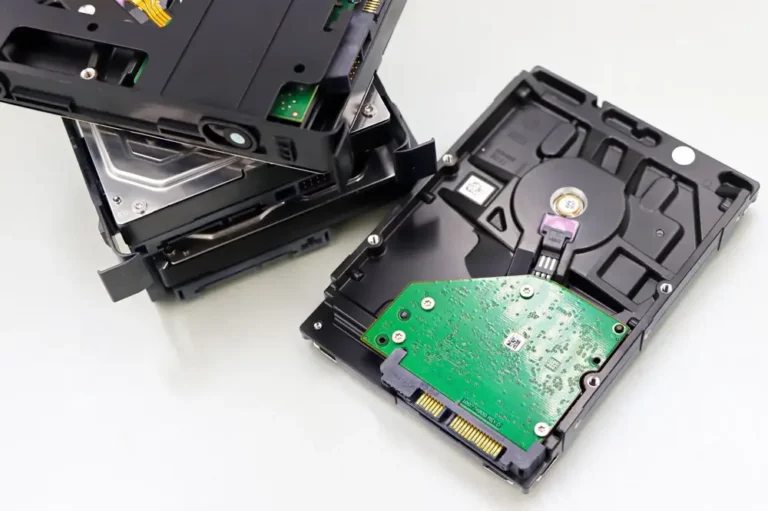
The HIPAA Security Rule requires covered entities to implement policies and procedures addressing the final disposition of electronic protected health information, and of the hardware or electronic media on which it is stored. In practice, that means you must have a documented process for destroying ePHI or the devices containing it — wiping a drive “when someone remembers” doesn’t cut it.
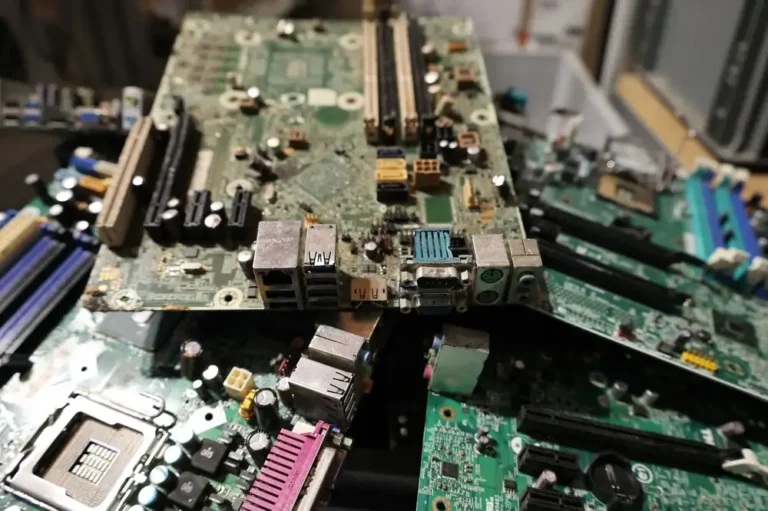
Federal guidance from the Department of Health and Human Services points directly to NIST Special Publication 800-88 for media sanitisation methods. And critically, HIPAA doesn’t accept deletion as destruction: data must be rendered unreadable, indecipherable and irrecoverable — which means verified sanitisation or physical destruction, with documentation to prove it happened.
What counts as ePHI on a retired device
More than you’d think. Beyond the obvious — patient record databases and imaging systems — ePHI hides in email archives, scanned insurance cards, appointment scheduling software, billing systems, backup tapes, multifunction printers with internal storage, and even voicemail systems. Multifunction copiers are a classic blind spot: their internal drives retain images of documents scanned. Our rule of thumb: if a device was used in a healthcare environment, treat it as holding ePHI until proven otherwise — and let certified destruction remove the doubt.
Who has to comply
- Covered entities — health plans, healthcare clearinghouses, and providers who transmit health information electronically. That covers most hospitals, clinics, dental practices and pharmacies.
- Business associates — vendors who handle ePHI on your behalf. When you hire a company to destroy drives containing patient data, that company becomes your business associate, and you need a signed Business Associate Agreement (BAA) with them.
Yes — your e-waste recycler needs to sign a BAA. We do, routinely.
How HIPAA changed disposal practices
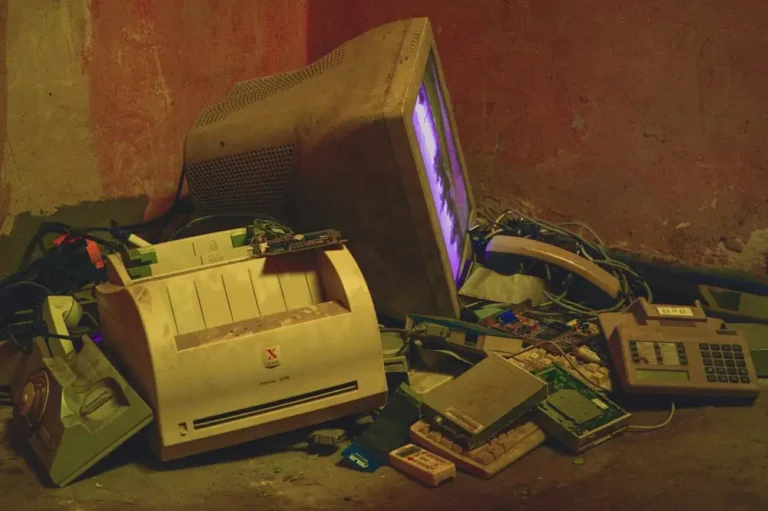
Before HIPAA’s disposal requirements took hold, the typical healthcare IT retirement looked like this: old PCs donated to a school, drives wiped with free software (or not at all), backup tapes stacked in a cupboard. Nobody documented anything, because nobody had to.
HIPAA changed every step:
- Documented policies. Disposal must follow written procedures, not ad-hoc decisions.
- Workforce training. Staff must understand that a retired device is still holding ePHI.
- Vendor management. BAAs, due diligence on recyclers, and proof of their procedures.
- Inventory and tracking. Know which devices held ePHI and where each one went.
- Verified destruction. Sanitisation to NIST SP 800-88 or physical destruction — with certificates.
Our HIPAA-compliant process
EwasteCleanup’s healthcare disposal process is built around HIPAA’s requirements:
- BAA signed before pickup. The paperwork comes first, not last.
- Documented chain of custody. Your equipment is tracked from your door to our Santa Fe Springs facility.
- Serialised inventory. Every data-bearing asset is logged by serial number.
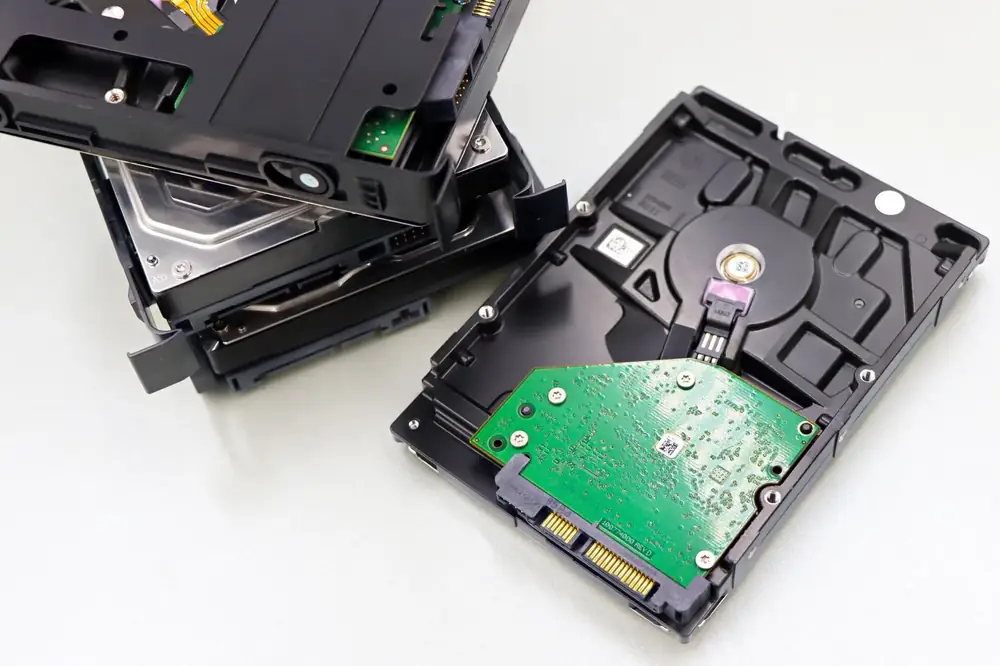
- NIST SP 800-88 sanitisation or physical shredding. No intact drive ever leaves our control.
- Certificates of destruction. The documentation your compliance officer needs on file.
The whole process runs under our R2v3 certification — held since 2018 — plus ISO 14001 and RIOS, so the environmental handling is as rigorous as the data handling. Our DTSC registration (CAL000422160) and CalRecycle certification (CEWID 116335) complete the compliance picture.
The cost of getting it wrong
The Office for Civil Rights can impose fines reaching six figures per violation category per year, and improper disposal of ePHI has featured in several headline enforcement actions, with settlements running into the millions of dollars. Beyond the fines come breach notification costs, patient notification, legal fees and reputational damage. For a small practice, a single incident can be existential. Against that risk, certified destruction — included in our free business pickup — is the cheapest insurance in healthcare IT.
Train your team on disposal
Policies only work if people follow them. Brief everyone who handles retired equipment: never bin electronics, never take old drives home, and always route decommissioned devices through your documented disposal process. A five-minute reminder during onboarding prevents the well-meaning shortcut that becomes a breach.
Your patients trust you with their most sensitive information. Extend that trust to the end of every device’s life. Our HIPAA-compliant data destruction services include free pickup for healthcare businesses across Orange County, Los Angeles, San Diego and Long Beach — Monday to Friday, 8am to 4pm. For the full privacy picture, read the privacy issue in technology recycling.
Call 323-300-8243 or toll-free 1-833-392-7834, or email info@ewastecleanup.com to arrange a BAA and schedule your pickup.